You’ve probably seen it happen: you ask ChatGPT about a practice area or a local attorney, and a few firms show up while yours is nowhere in sight. Law firm ChatGPT results are simply the firms that get mentioned, cited, recommended, or summarized when someone asks a legal question with local or service intent, and understanding why that happens gives you a much clearer picture of what your marketing actually needs.
Why Some Law Firms Show Up in ChatGPT Results
When your firm appears in ChatGPT results, it usually means the system has enough confidence to connect your name with a specific service, location, or reputation signal. In plain English, your firm becomes part of the answer when someone asks something like, “Who handles truck accident cases in St. Louis?” or “What estate planning firm should I look at in Scottsdale?”
That matters because people are starting to use AI tools the same way they used to use search engines, just with more natural questions. Instead of typing two or three keywords, somebody asks for a recommendation, a comparison, or a quick explanation. If your firm is easy for AI systems to understand and verify, you have a better shot at being included.
How ChatGPT Decides Which Law Firms to Mention
ChatGPT does not work like a classic blue-link search page. It is not simply taking the number one Google result and repeating it back. Instead, it pulls together signals from sources it can access and trust, such as your website, legal directories, reviews, business listings, articles, and other mentions across the web.
That means your visibility comes from a mix of clarity and credibility. Your site needs to clearly explain what you do and where you do it. Outside sources need to back that up. If you want a broader view of how AI-driven legal discovery works in plain English, that shift is the part most firms miss.
It’s not one “ranking factor”
There is no single switch that gets you into law firm ChatGPT results. No secret tag. No magic plugin. No one-page trick.
Here’s the thing: AI answers are built from patterns. If your firm has solid practice pages, a complete Google Business Profile, updated directory listings, detailed reviews, and a few strong mentions in local or legal sources, those signals start to reinforce each other. It looks less like a ranking factor and more like a reputation trail.
ChatGPT pulls from the web, not from thin air
A firm usually gets mentioned when enough credible sources say roughly the same thing about it. Think of it like hearing the same recommendation from your map app, a friend, and a local directory on the same afternoon. At some point, the pattern feels reliable.
That is why firms with a clear footprint tend to surface more often. Your website says you handle estate planning in Dallas. Your bar listing says the same. Your Google profile says the same. A local article mentions a seminar you hosted on wills and trusts. The system has something concrete to connect.
The Signals That Help a Law Firm Appear More Often
The good news is that most of the signals behind AI visibility are not mysterious. They are practical. They can be improved. And most of them overlap with strong digital marketing anyway.
Strong practice area pages
Clear practice area pages do a lot of heavy lifting. If your website has a specific page for car accidents in Phoenix, probate in Dallas, or child custody in Raleigh, AI systems have a much easier time understanding your firm.
Vague “full-service” copy does not help much. A page that says you “provide exceptional legal solutions across a wide range of matters” sounds polished, but it tells a machine almost nothing. A page that plainly explains who you help, what cases you handle, and what happens next is far more useful. That is exactly why clear service pages tend to matter so much for AI visibility.
Third-party citations and legal directories
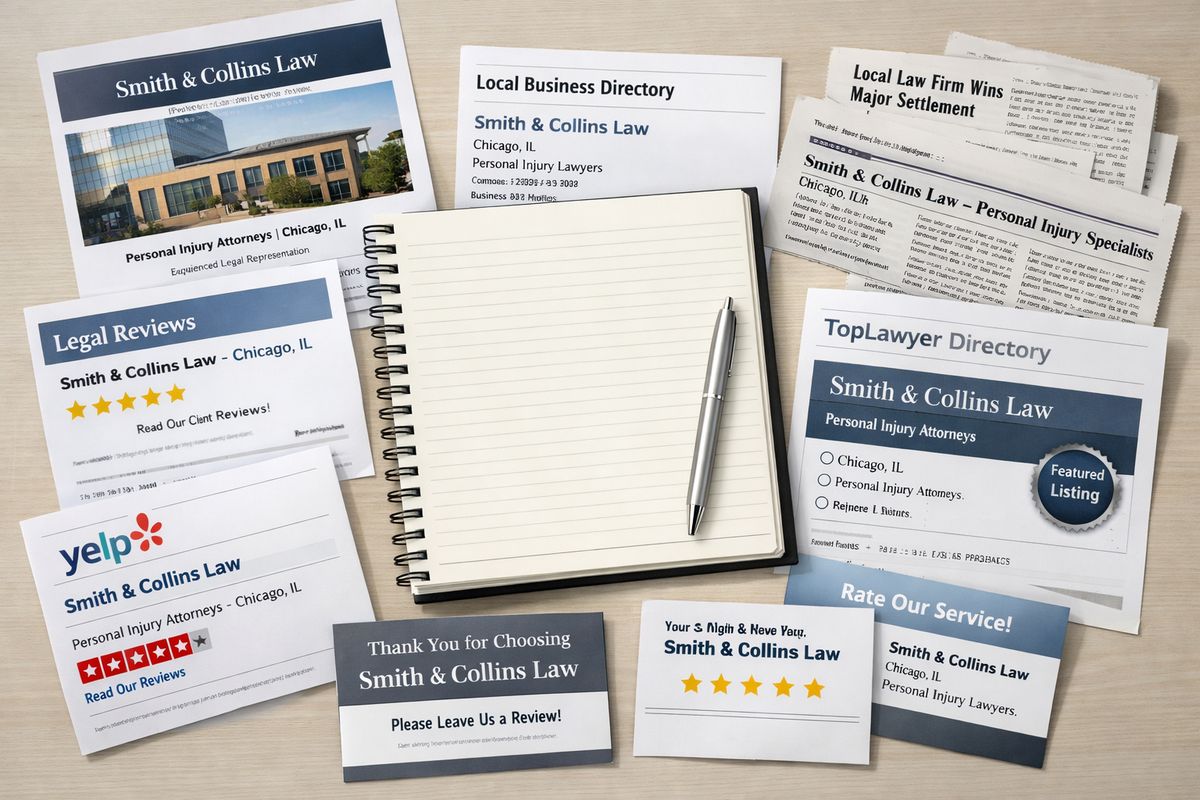
Legal directories and business listings act like confirmation points. Avvo, Justia, FindLaw, Google Business Profile, state bar profiles, chambers listings, local association pages, and reputable local directories all help establish that your firm is real, active, and tied to a certain location and service mix.
The catch is consistency. Your firm name, address, phone number, attorney names, and practice descriptions should match closely across those places. If one listing says personal injury, another says general practice, and a third has an old address from six years ago, you create confusion where you need clarity.
Reviews, reputation, and real-world trust
Reviews matter because they add real-world evidence that your firm is active and serving clients now. Detailed reviews are often more useful than a huge pile of thin ones. “Helped after a rear-end crash on I-275 and kept us updated through settlement” tells a richer story than “great lawyer, highly recommend.”
AI systems are looking for signs of trust, not just volume. A firm with steady, believable reviews across major platforms often looks stronger than a firm with a slick homepage and very little public feedback. That is one reason review quality can shape how AI systems perceive your firm.
Brand mentions across articles, news, and community sites
Mentions outside your site help a lot because they make your brand look established beyond your own marketing. A local news quote, a podcast appearance, a scholarship page, a chamber event recap, a sponsorship mention, or a legal commentary article can all add weight.
This is where some firms quietly pull ahead. Not because the website is perfect, but because the firm keeps showing up in credible places around the web.
Why Some Firms Get Mentioned Even If Their SEO Isn’t Great
This part surprises a lot of firms. A website can be average and still get mentioned in ChatGPT.
That usually happens because the firm has strong brand recognition, high-profile attorneys, years of directory visibility, heavy review coverage, or consistent mentions in local media and community sources. In other words, off-site trust can sometimes make up for on-site weaknesses.
So if a competitor keeps appearing and you cannot figure out why, do not stare only at page titles and keyword use. Look at the broader footprint. AI visibility is wider than traditional rankings.
What Makes ChatGPT Skip Your Firm
A decent website is not always enough. Plenty of firms get skipped because the signals around the site are weak, thin, or confusing.
Thin or generic website copy
Boilerplate copy gives AI very little to work with. If every personal injury page sounds like every other firm in town, your site becomes interchangeable. And interchangeable businesses are easy to overlook.
Strong pages answer real questions. They explain case types, local issues, process, timelines, and what makes your approach distinct in a believable way.
Weak local signals
If your location pages are missing, your Google Business Profile is half-finished, or your contact details vary from one site to another, local relevance gets muddy fast. That is especially damaging for legal searches, because local intent is often the whole point. If you need a deeper look at the local signals that support AI visibility, this is where to start.
Confusing site structure
Messy navigation creates friction for both people and machines. Duplicate pages, unclear labels, thin city pages, and buried service content make it harder to understand who you help and where.
A clean structure works like good signage in an office building. If every door is labeled clearly, nobody gets lost.
No proof outside your own website
If only your website says you are a top option, that is not enough. AI tools trust repeated patterns from outside sources. Without that outside confirmation, your claims stay self-reported.
The Difference Between Google Rankings and ChatGPT Visibility
Google rankings and ChatGPT visibility overlap, but they are not the same thing. Google is usually presenting an ordered list of results. ChatGPT is often summarizing, comparing, or recommending based on a blend of search data, citations, and entity understanding.
That shift changes the goal. You are not only trying to rank a page. You are trying to become easy to identify, easy to verify, and easy to cite. If you want the sharper side-by-side version, this breakdown of Google search and AI search behavior makes the distinction clearer.
Ranking first does not guarantee being mentioned
A top organic position can help, but it does not guarantee inclusion in an AI answer. If your page ranks well but lacks strong supporting signals, ChatGPT may still pull another firm into the answer.
Being mentioned does not always mean sending clicks
Here’s the catch: AI visibility can build awareness without sending an immediate website visit. Someone may see your firm named in an answer, remember it, and search for you later. That means success is not always measured by direct clicks alone.
How to Improve Your Chances of Showing Up
This is where the concept turns practical. Better law firm ChatGPT results usually come from cleaning up the basics and making your firm easier to trust across the web.
Tighten your core practice and location pages
Start with your main service pages and location pages. Make each one specific. Explain the legal issue in plain English, note the geography you actually serve, add FAQs, and give attorney bios real detail instead of generic credentials blurbs. A bio that clearly shows courtroom work, case focus, and local ties is much more useful, which is why specific attorney profiles can strengthen AI understanding.
Clean up your firm’s web footprint
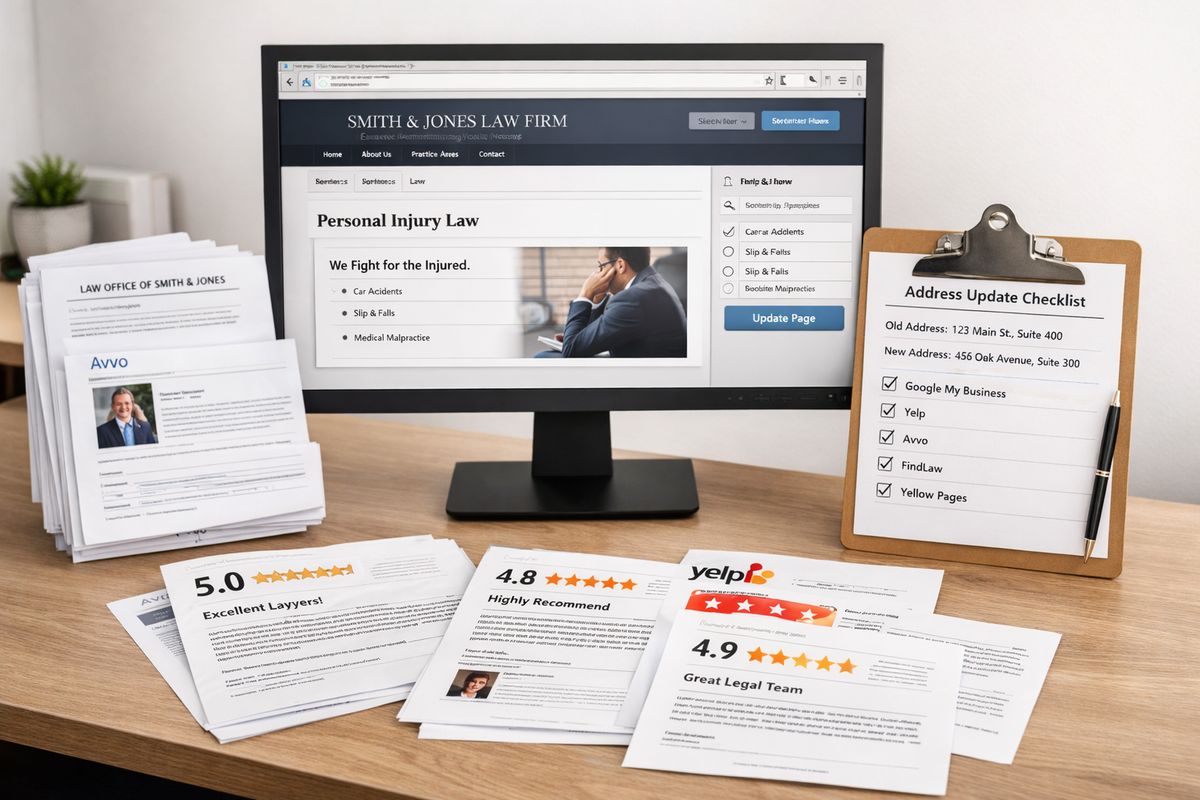
One afternoon spent fixing outdated listings can clear up a surprising amount of confusion. Update old addresses, remove duplicate profiles, standardize your practice descriptions, refresh stale bios, and make sure your major directory entries still reflect your current work.
This part is not glamorous. It works anyway.
Publish content that answers real legal questions
Broad, generic blog posts are easy to ignore. Useful, question-based content is different. “What happens after a rear-end crash in Tampa?” gives AI something concrete to work with because it mirrors how people actually ask.
The trick is writing the way clients speak. Simple questions. Clear answers. Local context when it matters.
Build authority beyond your own site
A firm that only talks about itself is easy to discount. A firm that gets mentioned by others starts to look established. Local PR, bar activity, podcasts, legal commentary, community partnerships, and event participation all help create those outside signals.
How to Tell Whether Your Firm Is Appearing in ChatGPT Results
Checking this does not need to be technical. You just need a repeatable way to test realistic prompts and see what comes back.
Start with your top practice areas and your top cities. Run the same kinds of questions a prospective client would ask. Then look at which firms get named, what sources are cited, and whether your firm shows up directly, indirectly, or not at all. For a more structured process, this guide to checking your visibility in ChatGPT walks through what to track.
Prompts worth testing
Try prompts that sound like actual client questions: “best estate planning lawyer in Scottsdale,” “who handles truck accident cases in St. Louis,” or “compare family law firms in Raleigh.” Those are much more useful than abstract tests.
Use the same prompts regularly so you can spot changes over time instead of chasing one-off results.
What to look for in the answers
Look for three things. Does ChatGPT name your firm? Does it cite your website or a third-party profile? Does it skip you while mentioning local competitors?
Those patterns usually tell you what is missing. No mention at all often points to weak overall visibility. A citation to a directory instead of your site may mean your off-site footprint is clearer than your own pages.
Common Misconceptions About Law Firm ChatGPT Results
There is still a lot of confusion around this topic, and some of it leads firms in the wrong direction fast.
“It’s just SEO with a new name”
No. SEO still matters, but law firm ChatGPT results also depend on entity clarity, off-site trust, and whether outside sources reinforce your claims. It is related to SEO, not identical to it.
“If your website is beautiful, you’ll show up”
A great design helps human visitors. It does not automatically help AI systems. Clarity, structure, specificity, and corroboration matter more than flashy visuals.
“One article can get you there”
It won’t. This is an ecosystem problem, not a single-page fix. One strong article can help, but it cannot carry weak bios, bad citations, thin reviews, and inconsistent local signals.
When It Makes Sense to Bring in a Digital Marketing Agency
If your listings are inconsistent, your content is thin, your local presence is patchy, or your reporting is too vague to tell what is working, outside help starts to make sense. Especially if you are trying to improve visibility across your site, directories, reviews, and AI search at the same time.
A good agency gives you a shortcut through the mess. Instead of guessing why your firm is missing from AI answers, you get a plan to fix the scattered signals that are holding you back. If you are trying to show up more reliably in AI search for legal services, that kind of coordination is usually the difference between random effort and real traction.
One Thing to Try This Week
Open ChatGPT and search a few realistic prompts for your top practice area and city. Write down which firms appear, which sources get cited, and whether your firm is named, linked, or skipped.
That quick check often shows exactly what needs fixing first. If you want help turning that snapshot into a real strategy, schedule a call with Attorney Visibility ai for more information.
Frequently Asked Questions
Can a small law firm show up in ChatGPT results?
Yes. A smaller firm can appear if your practice pages are clear, your local signals are strong, and outside sources back up what your site says. Size helps less than clarity and trust.
Does ChatGPT only mention firms that rank first on Google?
No. High Google rankings can help, but ChatGPT does not simply copy the top organic result. It often pulls from a broader mix of sources and signals.
How long does it take for improvements to affect AI visibility?
Usually not overnight. Updates to content, listings, reviews, and brand mentions take time to spread and be reflected in search-connected systems. If you want a better sense of how long improvement usually takes before AI tools start noticing, the timeline is often measured in months, not days.
Do reviews matter for law firm ChatGPT results?
Yes, especially detailed reviews on trusted platforms. Reviews help reinforce that your firm is active, credible, and tied to real services in a real location.
What kind of content helps most?
Content that answers specific legal questions in plain English usually helps most. Practice area pages, city pages, FAQs, and useful articles tend to outperform vague marketing copy. If you want to go deeper, question-driven content tends to perform better in AI search.
Is optimizing for ChatGPT worth it for law firms?
For many firms, yes, because potential clients are already using AI tools to research lawyers and legal issues. The payoff is not just traffic. It is also visibility, brand recognition, and inclusion in the conversation before someone clicks anywhere. Schedule a call with Attorney Visibility ai for more information.