
Your phone rings, your intake team answers, and somebody needs a lawyer right now. That part is obvious. The less obvious part, and the whole point of call tracking for law firms, is knowing what actually made that call happen in the first place.
What Call Tracking for Law Firms Actually Means
Call tracking for law firms is a way to see which marketing source led somebody to call your office. Instead of treating every inbound call like it came out of thin air, you get a clearer line back to the thing that sparked it, such as a Google Ads campaign, an organic search result, a Google Business Profile, a landing page, a billboard, or even a mailer.
That matters because legal marketing is full of hidden gaps. Somebody clicks an ad, reads a practice area page, leaves, comes back later through Google Maps, then calls from a phone number shown on your site. Without tracking, that story disappears. All you know is that the phone rang.
For a law firm, that missing context gets expensive fast. If you spend thousands each month on SEO, paid search, local listings, and intake support, you need more than traffic reports and vague impressions. You need to know which efforts are creating conversations with actual potential clients.
Why law firms care more than most businesses
Legal marketing is unusually call-driven. A lot of potential clients are not browsing for fun. Somebody searching “car accident lawyer” at 8:17 a.m. from a parking lot in Phoenix is not behaving like somebody casually shopping for patio furniture. That call could turn into a consultation, a signed case, and substantial revenue.
The timing is urgent, the matters are high value, and the window to connect is small. Miss the call, misread the source, or keep funding the wrong campaign, and the loss is real.
Here’s the direct truth: if you can’t tie calls back to marketing, you’re guessing. Sometimes you’re guessing with a very polished dashboard, but it is still guessing.
How Call Tracking Works Behind the Scenes
Behind the scenes, call tracking usually works through tracking numbers, call forwarding, source attribution, and reporting. The terms sound technical, but the idea is simple.
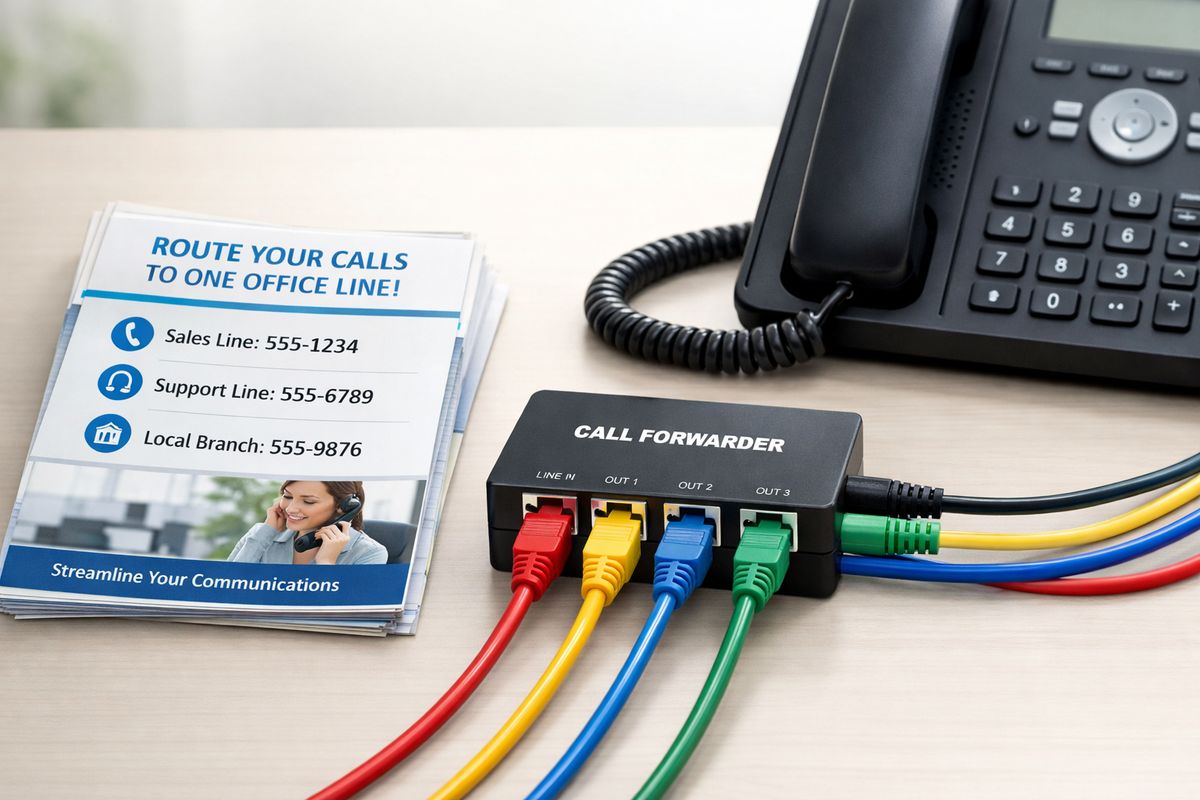
A tracking number is a phone number assigned to a specific marketing source or visitor path. Call forwarding means that when somebody dials that number, the call routes to your regular office line or intake team. Source attribution means the software records where the caller came from. Reporting is just the dashboard where you see the results.
From the caller’s point of view, none of this should feel unusual. Somebody sees a number, taps it, and reaches your office like normal. The software does the sorting in the background.
Static numbers vs. dynamic number insertion
A static tracking number is one dedicated number for one channel. You might use one on a billboard, another on a direct mail piece, and another in a directory listing. That setup works well when the source is fixed and easy to separate.
Dynamic number insertion is more flexible. It swaps the phone number shown on your website based on how somebody arrived there. If somebody lands through Google Ads, one number appears. If the visit comes from organic search, another appears. If it comes from social or referral traffic, the number changes again.
That is how you connect calls to SEO, PPC, and other channels without changing how your office actually answers the phone. If you are sorting out paid search versus local visibility, it helps to understand the difference between channels like Google’s local lead products and standard search ads, because call tracking works best when the traffic sources themselves are clearly defined.
What happens when somebody calls
Once somebody calls, the software logs the useful details. Usually that includes the source, the landing page viewed, the date and time, the duration, and whether the call was answered. In some setups, it also stores recordings, tags, notes, and outcome fields such as booked consultation or qualified lead.
The experience should feel seamless for the caller, especially during a stressful moment. No maze of prompts. No weird rerouting. Just a normal call to your office.
That is the standard worth holding onto. If the tracking setup makes calling harder, the setup is the problem.
What Call Tracking Helps You Learn
Call tracking is not really about phone numbers. It is about visibility. It shows what is working, what is wasting money, and where stronger cases are actually coming from.
Once you can see the path behind the call, your marketing stops feeling like a fog machine. Patterns start to show up.
Which campaigns and keywords drive real calls
A lot of marketing reports overvalue clicks and undervalue calls. That is backwards for many law firms. Traffic does not pay the bills. Consultations and retained cases do.
Call tracking helps you see which ads, practice area pages, local SEO efforts, and search terms lead to actual phone calls. You may find that one expensive campaign drives lots of clicks but few meaningful conversations, while a less flashy local page quietly brings in steady intake calls every week. If you are already focused on attracting better-fit prospects instead of just more names, this is where call data becomes useful, not decorative.
Which calls are good leads and which are not
Not every call is a real opportunity. Some are wrong numbers. Some are vendor pitches. Some are low-fit matters outside your practice area. Some are emergency calls that never should have gone to voicemail.
Call tracking helps separate signal from noise. Recordings, tags, and intake notes can show which sources bring qualified inquiries and which ones mostly bring clutter. That can change how you judge a campaign. Fifty calls sound great until you realize only six involved viable matters.
If you want sharper reporting, define what a real lead actually is before you start praising volume. A helpful place to start is sorting serious inquiries from high-volume but low-fit ones.
Where your intake process is helping or hurting
Sometimes the marketing is fine and the intake is the weak spot. Call tracking can expose missed calls, long hold times, uneven call handling, or poor follow-up after a good first conversation.
That matters more than most firms realize. A campaign can be producing strong opportunities, but if calls go unanswered at lunch, bounce after hours, or get handled inconsistently, the numbers will make the marketing look weaker than it is. In some cases, better call routing or faster follow-up inside your intake workflow fixes more than a new ad campaign ever could.

The Biggest Benefits for Your Law Firm
The main benefit is clarity. You stop throwing money into a black box and hoping the intake team feels busier for the right reasons.
Better marketing decisions
Call tracking helps you stop spending blindly. You can cut weak campaigns, shift budget toward stronger ones, and spot patterns earlier.
It is a lot like finally labeling the keys on a crowded keyring. Before that, every locked door means trial and error. After that, you know which key belongs where. Marketing gets easier when your channels are labeled by outcomes instead of guesses.
More accurate ROI reporting
If you only measure form fills or page views, your reporting is incomplete. Call tracking gets you closer to real return on investment because it connects spend to consultations and, in stronger setups, to signed cases and revenue.
That is especially useful with SEO and local search, where somebody may visit multiple pages before calling. If your firm has ever struggled to explain why calls rise while web form submissions stay flat, this fills in the missing half of the story. For a broader view of that bigger picture, connecting every lead source back to actual outcomes matters just as much as counting raw calls.
Smarter conversations with your agency
Good call data makes agency conversations less fuzzy. You can ask better questions. You can spot weak spots faster. You can tell the difference between an agency that is producing real inquiries and one that is dressing up vanity metrics.
That changes the relationship in a good way. Instead of hearing that traffic is up 23 percent, you can ask why branded paid search generated shorter calls than organic local traffic, or why one landing page gets calls that never book consultations. If you are evaluating outside help, that is part of finding a marketing partner that can explain results plainly.
Common Concerns Law Firms Have About Call Tracking
The hesitation is understandable. Law firms have to think about trust, privacy, rankings, and client experience all at once.
Will call tracking hurt SEO or local rankings?
This is probably the most common fear, and it comes from a real issue. Local SEO depends in part on consistent business information online, including your main phone number.
The fix is not avoiding call tracking. The fix is setting it up correctly. Your core business number should stay consistent where local citations and profile data need consistency, and tracking should be used in ways that preserve those signals. If you want the deeper version, using tracking numbers without weakening local visibility is a setup question, not a reason to skip attribution.
Is it ethical and secure for a law firm?
Call tracking can be ethical and secure, but only if your settings and policies match the rules that apply to your practice. That includes privacy, data retention, call recording disclosure, and jurisdiction-specific requirements.
The software matters, but your internal process matters too. If calls are recorded, your disclosures should be clear. If intake notes contain sensitive information, access should be controlled. A law firm should treat call data like any other client-related operational data, carefully and intentionally.
Will it confuse potential clients?
Good call tracking should feel invisible. The person calling should still reach your office normally, hear the same greeting, and get the same help.
That is the whole point. During a stressful legal issue, nobody wants friction. A tracking setup that confuses callers is a bad setup, not an unavoidable tradeoff.
What Features Matter Most in Call Tracking Software for Lawyers
A long feature list is not the goal. Useful answers are the goal.
Dynamic number insertion and source-level attribution
This is the core feature if you want to know whether calls came from SEO, PPC, LSAs, referral traffic, or something else. Without source-level attribution, you are back to broad guesses.
For firms investing in local search, paid ads, and map visibility at the same time, this is where the reporting starts to make sense.
CRM, intake, and practice management integrations
Call data becomes far more useful when it flows into the systems you already use. If a call record connects to your CRM, intake software, or practice management platform, you can follow the path from first call to consultation to signed matter.
That link is what turns call tracking from a marketing tool into a business tool. If you are cleaning up that handoff, making your intake and case systems talk to each other is part of the same job.
Call recordings, tagging, and conversation insights
Recordings and tags help you review lead quality and intake performance. You can hear whether a campaign is attracting the right cases, whether staff are handling calls well, and where opportunities are getting lost.
Conversation intelligence is the newer term you may hear. In plain English, it means software that spots patterns in calls, such as repeated objections, missed intake steps, or common phrases tied to stronger leads.
Reporting that makes sense at a glance
A good dashboard should answer simple questions quickly: where did the call come from, was it answered, was it a qualified lead, and did it turn into a consultation?
If you need fifteen filters and three exports to understand yesterday’s calls, the software is showing off instead of helping.
How to Use Call Tracking Without Making a Mess of Your Marketing
The trick is not just turning it on. The trick is setting it up in a way that keeps reporting clean and useful.
Start by mapping your real marketing channels
Before setup, list the places your calls can actually come from. That may include Google Ads, organic search, Google Business Profile, local service ads, referral sites, social media, direct mail, billboards, radio, and specific website pages.
This step sounds boring, but it prevents muddy reporting later. If your local presence is already messy, start by fixing why your firm struggles to appear in map results, because attribution is easier when the channels themselves are organized.
Decide what counts as a conversion
You need a clear definition of success. Is it any call longer than 60 seconds? A booked consultation? A qualified personal injury inquiry? A signed matter?
Without that definition, reports can look busy while saying very little. Volume alone is not the point.
Review calls regularly and fix what you find
Call tracking only works if you use it. A simple review rhythm helps: check missed calls, listen to a sample of qualified and unqualified calls, compare source quality, and fix patterns in both marketing and intake.
Small changes stack up. Better staffing during peak hours, sharper ad targeting, cleaner landing pages, and quicker follow-up can all show up in the call data.
Questions to Ask Before You Hire a Marketing Agency or Call Tracking Vendor
A decent vendor should make this easy to understand. If the explanation feels slippery, that is useful information by itself.
How will you track calls by source without disrupting SEO?
Ask for a plain-English explanation of how website calls, local listings, and offline channels will be tracked. A good answer should be simple enough to repeat back to your intake manager without translating jargon.
How will call data connect to consultations and signed cases?
Push past call volume. You want to know whether call data can tie back to booked appointments, qualified leads, and actual matters.
If the answer stops at “you’ll see more calls,” the reporting is too shallow.
Who reviews lead quality and intake performance?
Dashboards only show part of the picture. Ask who looks at recordings, missed calls, intake patterns, and source quality. A lot of value gets won or lost there, especially for firms with high call volume or after-hours demand. That same question becomes even more relevant if you are exploring newer intake tools that handle first contact differently.
When Call Tracking Is Worth It for Your Firm
If your firm depends on phone leads, runs paid campaigns, invests in SEO, or wants clearer ROI, call tracking is not a nice extra. It is basic visibility.
The simplest test is this: trace your last ten intake calls back to their source and notice how many you can confidently explain today. If the answer is “not many,” you already know why this matters.
Frequently Asked Questions
Does call tracking replace your main office number?
No. In most setups, tracking numbers forward to your regular office line or intake team. Your day-to-day call handling stays the same, while the software records where the call came from.
Can call tracking work for offline marketing too?
Yes. Static tracking numbers work especially well for billboards, radio, direct mail, print ads, and other offline campaigns because each source can use its own dedicated number.
How many calls do you need before call tracking is useful?
You do not need massive volume. Even a modest number of monthly calls can reveal which channels are producing qualified inquiries, where calls are being missed, and which campaigns are wasting budget.
Is call recording required for call tracking?
No. Call recording is optional in many platforms. Some firms use only source attribution and call logs, while others add recordings to review lead quality and intake performance.
How long does setup usually take?
Basic setups can be quick, especially for website tracking and a few marketing channels. More involved setups, such as CRM integrations, custom conversion rules, and local SEO-safe number management, take more planning but usually pay off in cleaner reporting.
If you want clear answers about where your calls come from and how to track them without creating a mess, schedule a call with Attorney Visibility ai for more information.