
If you’ve ever wondered how ChatGPT chooses sources for a legal answer, the short version is this: it does not always choose sources at all. Sometimes it answers from what it already learned before your prompt, and sometimes it pulls from live web results and cites a few pages that look safest and most useful. For a law firm, that distinction matters a lot, especially when a prospect asks a question at 8:30 a.m. before your phones really start ringing.
What “How ChatGPT Chooses Sources” Actually Means
The phrase sounds simpler than it is. ChatGPT is not a person opening ten tabs, reading every page, and making a careful memo. It works more like a fast sorting system. Depending on the setup, it may answer from preexisting model knowledge, from live browsing, or from a mix that includes visible citations.
That difference changes everything.
If ChatGPT is answering from model knowledge alone, no fresh source may be consulted in that moment. If browsing or search tools are enabled, source selection becomes active, and the system may retrieve a handful of webpages, scan them, and quote or cite selected material. If citations appear, those citations reflect the pages pulled into that answer flow, not necessarily every source that influenced the model over time.
For a law firm, this matters because your visibility is no longer just about blue links on Google. It’s also about what gets surfaced inside an AI answer when somebody asks a legal question in plain English.
The First Thing to Know: ChatGPT Does Not Handle Every Legal Question the Same Way
This is the part most firms miss. ChatGPT does not use one fixed method for every legal prompt. Source behavior depends on the mode, the tools available, and the wording of the question.
A prompt like “what does a personal injury lawyer do” can often be answered from general model knowledge. A prompt like “what is the filing deadline for a wrongful death claim in Arizona” is more likely to need current, jurisdiction-specific material. A prompt like “best divorce lawyer near me” pushes into recommendation territory, where brand signals, directories, reviews, and trusted local references may influence what appears.
So when you’re trying to understand how AI search works for law firms in plain English, the first thing to accept is that one question can trigger a very different source path than another.
When ChatGPT answers from its existing model knowledge
Training data is the material used to teach the model before your current conversation. Think of it like study material already absorbed before the exam starts. When ChatGPT answers from that knowledge, it is not necessarily checking the live web.
That can be fine for broad concepts. It can explain what discovery is, what probate usually involves, or why a contract dispute might end up in court. But there is a catch. Legal information gets outdated fast, and model-only answers may be generalized, incomplete, or stale.
You also may not see visible citations in this mode. That creates a trust problem for legal topics because a clean-sounding answer can still be wrong on timing, jurisdiction, or procedure.
When ChatGPT uses browsing or connected search tools
Once live browsing is available, source selection becomes much more concrete. ChatGPT may retrieve webpages from search infrastructure, inspect relevant passages, and cite a subset of pages that appear to answer the question well. That does not mean it read the whole internet. It means it pulled a narrowed set and tried to reduce uncertainty quickly.
In practice, source selection starts looking a lot like fast evidence gathering. Pages with direct answers, clear headings, visible dates, and trusted domains tend to have an edge. If you’re trying to show up more often in ChatGPT search results, that answer-ready structure matters more than most firms expect.
Why legal topics raise the stakes
For casual topics, a rough answer may be annoying. For legal topics, it can damage trust immediately.
Law depends on jurisdiction. It depends on recency. It depends on the difference between general education and legal advice. A page about California procedure is useless for a Florida filing issue, even if the writing is polished. A two-year-old explainer may be worse than useless if a deadline or statute changed.
That makes source choice a visibility issue and a credibility issue at the same time. If ChatGPT reaches for safer sources than your site, your firm may lose exposure right at the top of the research process.
The Main Signals ChatGPT Seems to Use When Picking Sources
No public formula lays out every ranking factor in neat order. But patterns show up often enough to make some strong calls. ChatGPT behaves less like a person doing open-ended research and more like a fast filter trying to lower the chance of a bad answer.
Relevance to the exact question and search intent
Pages that directly answer the actual phrasing of the question tend to win. Search intent simply means the real thing behind the words somebody typed. If somebody asks, “Do I need a probate lawyer in Phoenix?” the underlying intent is not “teach me everything about probate law.” It is “help me understand whether hiring counsel makes sense in my situation, in my place.”
That is why focused question-based content can outperform broad practice pages. A narrow page that answers one real prospect question clearly often beats a long page trying to cover everything at once. This is a big part of what makes content built for AI retrieval different from old-school filler pages.
Credibility and source trust
Legal answers lean toward safer sources. Government websites, court pages, bar associations, respected legal publishers, and established legal brands often get favored because they look lower-risk to cite.
Here’s the thing: “best written” is not always the winner. “Least risky to rely on” often is.
If your page sounds highly promotional, makes broad claims, or hides basic context, it may lose to a plain county court page with cleaner authority signals. That can be frustrating, but it makes sense from the system’s point of view.
Freshness and update signals
Freshness matters more in law than in a lot of other industries. A page updated recently, with current dates and clear references to current law or procedure, has an advantage when the issue is time-sensitive.
Think of it like checking today’s courthouse calendar instead of last month’s printout taped to the wall. Same building, completely different usefulness.
Clear structure and answer-ready formatting
AI systems love pages that make extraction easy. Clean headings, short sections, definitions, FAQs, and direct answers near the top reduce friction. A messy page with long sales copy and no obvious answer path is harder to use.
That applies to service pages, attorney bios, and practice explainers alike. In fact, well-built practice area pages often do better in AI answers than firms expect, especially when the page explains process, timing, and what happens next instead of repeating generic marketing lines.
Third-party validation and brand recognition
Outside signals help reinforce trust. That includes citations from reputable sites, directory listings, news mentions, reviews, and references from legal organizations. This is broader than classic backlinks.
A firm that gets mentioned consistently across credible places looks more real, more established, and safer to surface. That is one reason off-site reputation signals like reviews matter in AI visibility even when nobody clicks a review platform directly.
Where Legal Answers Commonly Come From
Once you start watching legal AI answers closely, the source patterns become easier to spot.
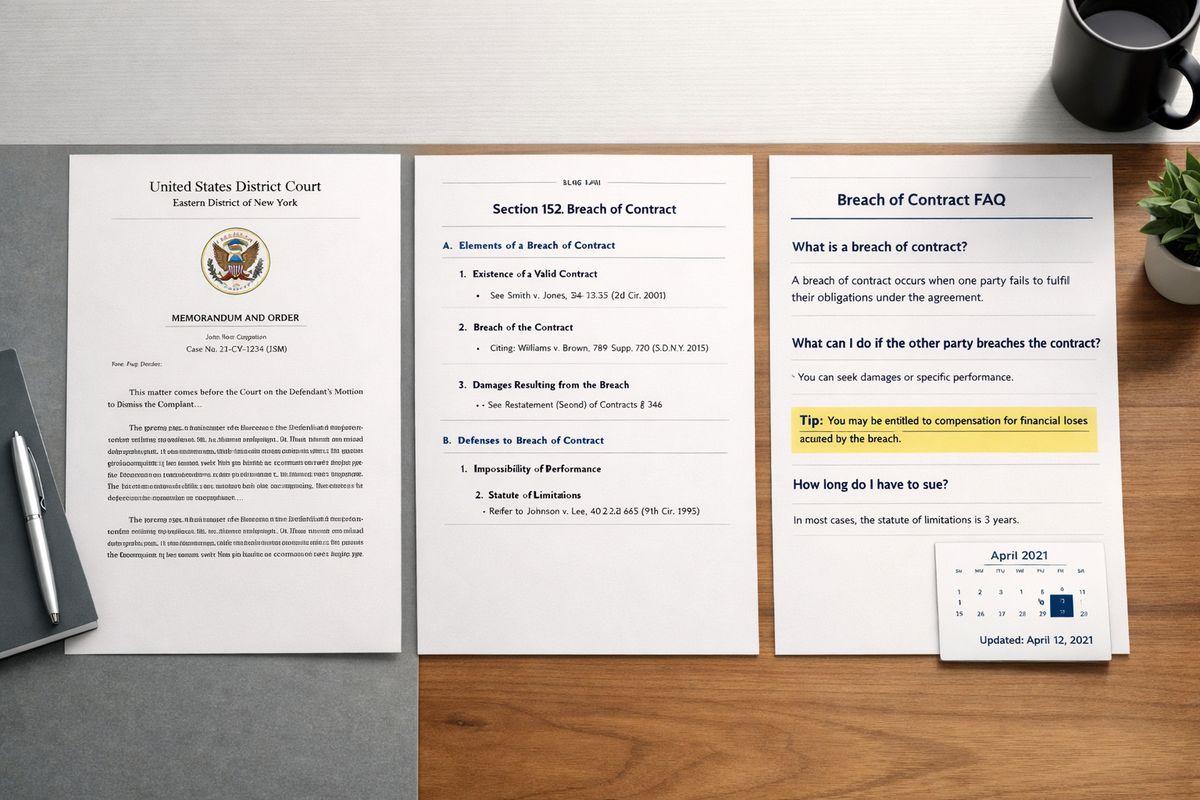
Primary legal sources
Statutes, regulations, court opinions, and official government publications are strong candidates for black-letter law questions. If somebody asks about a filing rule, appeal deadline, or statutory definition, official material has obvious appeal.
The problem is readability. Primary law is often accurate but not friendly. It answers what the rule says, not what the person actually needs help understanding.
Secondary legal sources
Bar associations, legal aid sites, law schools, treatises, and reputable legal publishers often bridge that gap. These sources translate complex law into usable explanations without sounding like ads.
For many consumer-facing questions, this is the sweet spot. Clear enough to understand, trusted enough to cite.
Law firm websites and practice area pages
Firm websites can absolutely appear, especially for local questions, process questions, and “what should I expect” searches. But thin pages rarely make the cut. A vague service page with 500 words of recycled copy does not help much.
A strong page does something specific. It answers a defined question, names the jurisdiction, explains the process, and sounds like it was written for a real person under some stress. That is also why conversational legal content has become more useful than stiff brochure copy.
Aggregators, directories, and forum-style sources
Avvo, FindLaw, Justia, Reddit, and similar platforms can show up even when quality is mixed. Why? Because they often match conversational phrasing well, carry strong platform trust, or have tons of indexed content around common questions.
That does not make them better. It makes them easy for AI systems to find and use.
How ChatGPT Decides Between Competing Legal Sources
When multiple pages cover the same topic, tie-breakers start to matter.
Specificity beats broadness for narrow questions
A page about how long an uncontested divorce takes in Texas is more useful than a general national divorce guide when the question is local and narrow. Specificity wins because it lowers ambiguity.
For law firms, this usually means publish better, not just more. One sharp page can beat ten generic ones.
Safer sources often beat more persuasive sources
A court page or bar explainer often beats a polished landing page because it feels safer to cite. That can sting if your site looks better and explains more clearly. But AI systems tend to prioritize lower-risk sources over stronger sales writing.
This is one reason AI search optimization for law firms is not just SEO with new branding. Trust framing, source safety, and extractable structure matter in a different way.
Pages that answer early have an advantage
If the answer shows up in the first few lines, the page becomes easier to use. AI systems do not browse patiently like somebody with coffee and ten spare minutes. They scan for the answer fast.
So if your page spends four paragraphs talking about your firm’s commitment to clients before explaining the legal issue, you’ve made source selection harder than it needed to be.
Common Misunderstandings Law Firms Have About AI Citations
A few myths keep showing up, and they cause a lot of wasted effort.
“If your firm ranks on Google, ChatGPT will cite it”
Not necessarily. Traditional rankings help, but they do not guarantee citation. AI systems may rely partly on search infrastructure while still applying different preferences around trust, clarity, and answer format.
“More backlinks automatically mean more AI visibility”
Authority matters, but not in a one-number way. Relevance, page structure, entity clarity, and source trust can beat raw link volume for a specific prompt.
“If ChatGPT mentions your firm, it chose your page as a source”
A brand mention is not the same as a cited source. Sometimes your firm gets named because of broader awareness signals, directories, or third-party references. If you’re measuring visibility, that distinction matters.
“ChatGPT always gives real, reliable citations”
It doesn’t. Hallucinated or mismatched citations still happen. A linked source may exist but not actually support the claim in the answer. In legal content, that is a serious problem, not a minor glitch.
What This Means for Your Law Firm’s Website
This is where the theory becomes useful.
Build pages that answer one legal question clearly
Focused pages usually beat vague all-purpose pages. If a prospect asks one thing, your page should answer that one thing plainly and early.
Show jurisdiction, date, and legal context right away
State name, court level, effective date, and attorney review notes all help. So do clear disclaimers that separate general legal information from legal advice.
Use structure that machines can scan quickly
Descriptive headings, short paragraphs, FAQ sections, and occasional bullets help systems extract meaning. Schema, which is code that labels content for search systems, can also make your page easier to interpret.
Strengthen off-site trust signals
Consistent directory profiles, local citations, media mentions, bar activity, and reputable references all support credibility. If you’re comparing traditional SEO with the newer AI visibility layer, this is one place where the overlap is real but the outcome is different.
How to Check What ChatGPT Is Actually Using for Legal Answers
Guessing is not enough. You need to test.
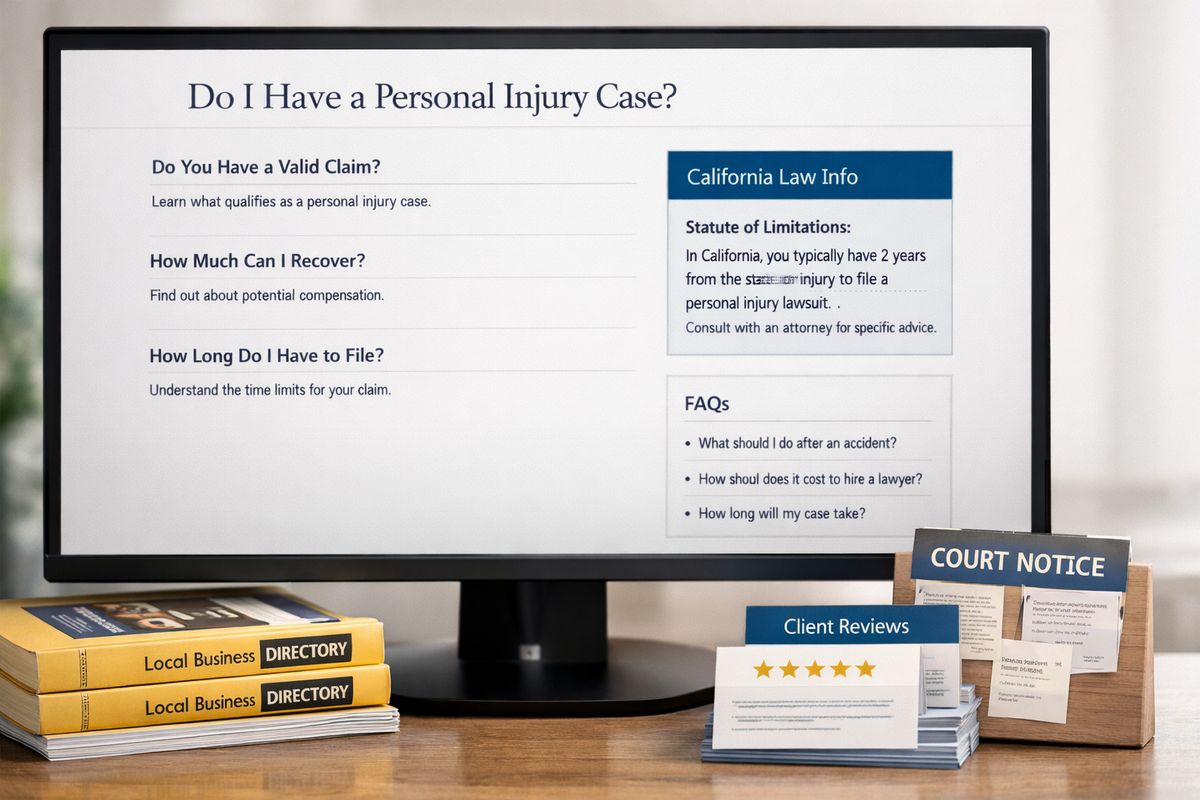
Test the prompts your prospects would actually ask
Try real client-language questions, not marketing jargon. On a Tuesday morning before intake starts, test prompts like “What happens after a first DUI arrest in Illinois?” or “Do I need a probate lawyer in Phoenix?” Those are the questions that expose how source selection really works.
Compare cited pages across question types
Watch what changes between informational questions, local questions, and high-stakes legal questions. Some pages appear over and over. Usually, those pages are specific, updated, and easy to extract from.
Verify every citation manually
Click the source. Make sure it actually says what the answer claims. That protects legal accuracy, and it also shows whether AI visibility is helping your brand or attaching your name to shaky information.
Questions Law Firms Usually Ask About How ChatGPT Chooses Sources
Does ChatGPT use Google to find legal sources?
Sometimes source retrieval depends on the tool setup and search integration, but the final answer is not just a copy of Google rankings. Search results can influence what gets retrieved, yet ChatGPT still applies its own filtering logic.
Can you get your law firm cited by ChatGPT on purpose?
You can improve the odds, but you cannot force it. Relevance, trust, freshness, and clean page structure all help. So does having a site that answers real legal questions better than generic competitors.
Does updating legal content help?
Yes, especially in law. Procedures, deadlines, and statutes can change, and freshness signals help reduce the risk of outdated answers. A recent update also tells the system your page is being maintained.
Are court and government sites always preferred?
No. Official sources are strong for rules and black-letter law, but law firm pages can win when the question calls for explanation, local context, or step-by-step guidance.
What should you try first?
Pick one high-value legal question. Rewrite the page so the answer appears in the first few lines, add the jurisdiction clearly, and test whether ChatGPT starts using it.
If you want a clearer picture of how your firm shows up in AI answers, schedule a call with Attorney Visibility ai. It’s the fastest way to see what ChatGPT is actually using, what your site is missing, and what to fix first.