
Legal lead nurturing is what keeps a promising inquiry from turning into a dead tab, a forgotten voicemail, or a prospect who hires the firm down the street by breakfast. If your phone rings, forms come in, and consults still feel thinner than they should, this is usually the missing piece.
In plain English, legal lead nurturing is the follow-up system that helps interested prospects move from “maybe” to “booked consult.” It starts the moment somebody calls, fills out a form, or clicks to learn more, and it continues until that person either schedules, hires, or clearly opts out. This guide covers what nurturing should look like inside a law firm, what to send, when to send it, and where most firms quietly lose momentum.
What you’ll learn:
- What legal lead nurturing actually does
- Why legal prospects need more follow-up
- How to build a simple consult-focused funnel
- Which channels work best for different lead types
- What messages warm up stressed prospects
- How to measure consult-driving performance
- Where compliance and privacy can trip you up
What Legal Lead Nurturing Actually Means for a Law Firm
A lot of firms treat lead nurturing like an optional marketing add-on. It is not. If lead generation gets somebody to raise a hand, nurturing is what keeps that hand raised long enough for intake to do something useful with it.
For a law firm, nurturing means every email, text, call, voicemail, reminder, FAQ, and follow-up step that helps a prospect feel informed enough and comfortable enough to book a consultation. That matters because legal decisions rarely happen in one clean, decisive moment. Somebody may need help badly and still hesitate for three days because the situation feels embarrassing, expensive, or overwhelming.
Lead generation gets attention; nurturing gets the consult
Lead generation is the front half. Search ads, local SEO, referrals, Google Maps, social media, directories, and content bring people in. If you are working on visibility, traffic, and inquiries, you are still only solving the first problem.
Nurturing starts right after that handoff. A click is not a consult. A form fill is not a retained client. Even a phone call is often just an opening. If you want more of the right matters on your calendar, you need a clear bridge between marketing and intake, along with a solid grasp of what makes a prospect worth pursuing.
Why legal leads go cold so fast
Legal leads cool off for human reasons, not mysterious marketing reasons. Somebody is scared to say the full story out loud. Somebody else is comparing three firms and does not know how to judge the difference. Another person reached out at the worst possible moment, during a custody exchange, from a hospital parking lot, or right after an arrest.
Then there is the simple stuff. Slow follow-up. A vague voicemail. A form that disappears into silence. Sticker shock before value is clear. Confusion about what the consultation includes. Most leads do not go cold because they lost all interest. They go cold because momentum broke.
Why Nurturing Matters More in Legal Than in Most Industries
Buying legal services is not like booking a haircut or ordering office chairs. The stakes are higher, the emotions are heavier, and the trust threshold is much higher. That changes everything about how follow-up needs to work.
Fast, thoughtful follow-up wins consults. That is the direct truth. Not because speed alone magically converts people, but because speed plus clarity signals competence. If you respond quickly and make the next step feel manageable, you calm the part of the prospect that wants to back away.
Legal clients rarely decide in one visit
Most prospects do not land on a homepage, instantly trust the firm, and schedule on the spot. Instead, somebody visits a practice area page, checks reviews, leaves, reads an email later, clicks back to the attorney bio, and maybe calls two days after that.
It is a lot like walking past a store, stepping inside for a minute, leaving, then circling the block and coming back because the place felt steady and honest. Your nurturing has to support that normal behavior, especially if your lead flow depends on showing up where nearby prospects search.
Trust is the real conversion lever
Trust is built in small pieces. A clear subject line. A voicemail that says what happens next. A follow-up text that sounds like a person, not a chatbot from 2018. A consultation reminder that removes uncertainty instead of adding pressure.
The catch is simple: generic follow-up hurts. If every message feels copied, self-congratulatory, or oddly pushy, trust drops fast. Legal prospects want reassurance, not hype.

Start With the Right Foundation Before You Automate Anything
Automation is useful, but only after the basics work. If your forms break, your phones go unanswered, your CRM is disconnected, or intake does not know what happens after a lead source changes, no sequence is going to save that.
Before building anything fancy, make sure your practice area pages are clear, your consultation offer is easy to understand, your forms actually submit, and your calls are tracked correctly. If call attribution is fuzzy, it helps to understand what call tracking actually does for a law firm. You also need a real intake process, not a loose pile of habits.
Map your lead sources and next steps
Not all leads behave the same way. Somebody from organic search may be in research mode. Somebody from pay-per-click may need help right now. A referral lead may arrive with more trust but less context. A directory lead may be comparing five firms at once.
Map each source to a next step. Who calls first? Who gets an email first? Which leads should receive a text confirmation? Which ones should go straight to live intake? This gets much easier once your CRM and intake tools actually talk to each other.
Fix the intake gaps that kill momentum
The biggest leaks are usually boring. Missed calls at lunch. Contact forms buried below five paragraphs of copy. Voicemails that never say when somebody will hear back. Intake staff asking for too much too soon. A consultation page with no clear reason to book now.
Picture a prospect filling out your form at 9:17 p.m. from a parking lot after a rough conversation at home. By morning, if nothing useful has come back, that prospect may already be talking to another firm. That is how consults disappear.
Build a Legal Lead Nurturing Funnel That Matches Real Client Behavior
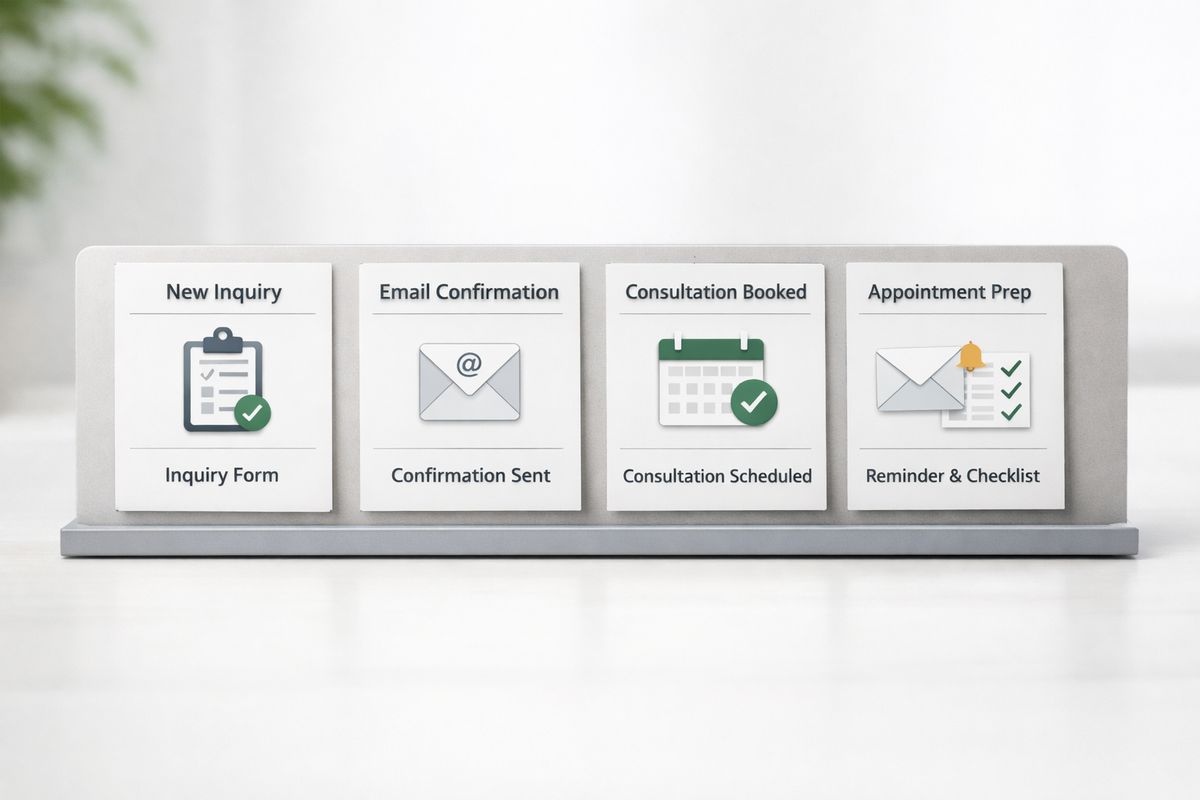
A working nurturing funnel does four jobs: reassure, educate, answer, and prompt the next step. Not all at once, and not with a wall of text. Just enough at each stage to keep things moving.
Stage 1: New lead, high curiosity, low trust
Right after somebody reaches out, the main question is not “why should I hire this firm forever?” It is “did this go through, and what happens now?” Your first response should answer both.
Confirm receipt right away. Set a clear expectation for timing. Make the next step obvious. If a call is coming within 15 minutes during business hours, say so. If a consult link is available, include it. Silence in this stage feels bigger than it is.
Stage 2: Interested but not ready
This is where many firms vanish. A prospect was interested enough to reach out, but not ready enough to book immediately. That is normal. The right move is not to nag. It is to stay present.
Helpful content works here: FAQs, short explainers, practice-area guides, attorney bios, “what happens next” emails, and light check-ins. If you are setting up systems here, connecting your follow-up tools to the rest of intake makes this stage much easier to manage without dropping the human tone.
Stage 3: Warm lead choosing between firms
At this point, your prospect is often comparing competence, responsiveness, and comfort level. Price may be part of it, but it is rarely the whole story. Somebody wants to know who seems organized, who explains things clearly, and who feels safe to talk to.
This is where testimonials, review snippets, attorney background, process clarity, and fast answers do real work. A warm lead does not need ten more emails. A warm lead needs fewer doubts.
Stage 4: Consult booked but not yet attended
A booked consultation is not the finish line. No-shows happen because people forget, panic, get busy, or feel unprepared. A simple reminder sequence can prevent a surprising amount of waste.
Send confirmation details immediately. Follow with what to bring, what the meeting covers, and how to reschedule if needed. Reassurance matters here too. If the consult feels easier to attend, attendance goes up.
The Best Channels for Legal Lead Nurturing
The best channel depends on urgency, case type, and what the prospect has already done. No single tool handles everything well.
Email for steady education and follow-up
Email is ideal for mid-funnel follow-up. It gives you room to explain process, answer common questions, and send practical reminders without demanding an immediate response.
Welcome emails, FAQ drips, consult reminders, and re-engagement notes all fit here. Keep them useful. One topic per email is enough.
Text messaging for speed and attendance
Text is strongest when speed matters. A quick confirmation, an appointment reminder, or a short “reply here if you need to reschedule” message can cut friction fast.
Keep texts brief and respectful. Timing matters. Consent matters more.
Phone calls for high-intent leads
Some practice areas need a real call quickly. Personal injury, criminal defense, and many family law matters often carry urgency that email cannot match. If somebody calls, answering live is still one of the best conversion tools you have.
When you miss a call, the callback structure matters. A vague “call us back” voicemail wastes the moment. A better voicemail says who you are, why you are calling, and exactly what happens next.
Retargeting and remarketing for leads who disappear
Retargeting works best as a gentle return path, not as creepy repetition. If somebody visited a practice area page or started intake and left, a simple ad can bring that person back when the timing is better.
This is especially useful if you already know which ad channels fit your practice and budget. The goal is not more impressions for their own sake. The goal is another chance to book the consult.
What to Send: Content That Warms Up Legal Leads
Good nurturing content makes the next step feel smaller. That is the real job.
Answer the questions prospects are too stressed to ask
People often hesitate to ask basic questions because the situation already feels loaded. How much does this usually cost? Do I even have a case? What happens in the consultation? How long could this take? Is it too late to do anything?
If you answer those directly, you remove a lot of silent friction. Stress makes people avoid uncertainty. Clarity gets movement.
Show the process so the next step feels smaller
Process content is underrated. A simple walkthrough of what happens after a consultation can calm somebody more than a polished brand statement ever will.
Explain how intake works, what documents help, how long the first meeting lasts, and what decisions do or do not need to be made right away. Think of it like turning on the hallway light before asking somebody to walk forward.
Use proof without sounding self-congratulatory
Proof matters, but tone matters more. Testimonials, reviews, awards, attorney experience, and case results where allowed can all support trust. The trick is to present proof as reassurance, not chest-thumping.
A short client quote beside a consultation invitation often works better than a parade of trophies. Calm confidence converts better than bragging.
Create practice-area-specific nurturing assets
A personal injury lead and an estate planning lead do not need the same follow-up. One may need speed, empathy, and medical documentation guidance. The other may need education, family decision framing, and scheduling flexibility.
Tailor your emails, landing pages, guides, and consult prep materials by matter type. If your website content is too general, improving pages built around local practice demand can support better nurturing from the first click.
How to Write Follow-Up Messages That Feel Human
Most legal follow-up fails because it sounds either robotic or evasive. You want neither.
Keep it short, clear, and easy to act on
Each message should have one job. Confirm. Remind. Explain. Ask for a reply. That is it.
Avoid giant paragraphs and stacked calls to action. If jargon is necessary, define it in plain English and move on. “Contingency fee” can become “you do not pay attorney fees unless money is recovered.” Simple beats polished.
Balance urgency with empathy
You do want people to act. But pressure is not the same as urgency. Somebody dealing with injury, divorce, charges, or financial stress needs a steady tone.
Use language that respects the situation while still moving it forward. “If you want to talk through options, here are two times available tomorrow” lands much better than “act now before it’s too late,” unless there is a real deadline that needs stating plainly.
Templates your firm can adapt
An immediate response can say: thanks for reaching out, your message was received, and somebody will contact you by a specific time. A missed consult follow-up can acknowledge that things come up, offer an easy reschedule link, and restate what the consultation covers.
A “still interested?” check-in should be short and low-pressure. A re-engagement message after silence should offer one useful reason to reply, such as a question about timing or what documents to bring. The best templates sound like somebody paying attention.
Timing, Cadence, and Automation: The Trick Is Not Overdoing It
Most firms do not lose leads because they followed up too much. They lose leads because they stop too soon or sound robotic. That is the real pattern.
The first 24 hours matter most
Use an immediate auto-response to confirm receipt. Then add fast human outreach, ideally within minutes for high-intent matters and the same day for nearly everything else.
If nobody answers, follow up again that day with one alternate channel if appropriate. Momentum lives here. Once a lead sits overnight without clarity, conversion odds usually get worse.
A simple 30-day nurture cadence
A practical cadence can be simple. Day 0: confirmation plus outreach. Day 1: follow-up with a clear next step. Day 3: answer a common question. Week 1: send a process explainer or testimonial. Week 2: brief check-in. Week 4: final re-engagement note.
That is enough structure for most firms to start. Then adjust based on practice area and urgency.
When to switch from automation to personal outreach
Automation should step aside when behavior signals intent. Repeat visits to key pages, multiple email opens, returned calls, partial form completions, and consult-link clicks all suggest somebody is leaning in.
That is also where tools like AI-assisted intake and response handling can help sort urgency, but only if the handoff to a real person is clear and timely.
Segment Your Leads So the Follow-Up Fits
Segmentation sounds technical, but the idea is simple: stop sending everybody the same thing.
Segment by practice area
Family law needs a different tone than criminal defense. Estate planning needs a different pace than personal injury. Immigration, business law, and probate each bring different questions, fears, and timelines.
Start there. It is the easiest and most useful split.
Segment by urgency and case readiness
Some leads need immediate contact because delay has a real cost. Others are still gathering information. If you treat both groups the same, one feels neglected and the other feels rushed.
A hot lead should get speed. A research-stage lead should get helpful context.
Segment by source and behavior
Referral leads often arrive warmer. PPC leads may need faster clarification. Organic leads may have spent more time reading before reaching out. Directory leads may compare aggressively.
Behavior matters too. Opened emails, clicked consult links, no-showed appointments, and abandoned forms all tell you what kind of message should come next. Better lead tracking across sources and follow-up steps makes these patterns visible.
Measure What Turns Leads Into Consults
If you only track raw lead volume, you miss the whole story. Consults and signed matters are what count.
Core KPIs for legal lead nurturing
Watch response time, contact rate, consult booking rate, show rate, cost per consult, and lead-to-client conversion rate. Those numbers tell you whether your follow-up is creating movement or just creating activity.
A shorter response time with a flat show rate means your first message may be weak. A solid booking rate with poor attendance points to reminder problems. Metrics are useful when you read them as a chain.
Where leads drop out
Look for failure points in forms, missed calls, scheduling pages, confirmation emails, reminder texts, and no-response follow-up. You are not hunting for one dramatic flaw. Usually it is three small ones piled together.
One common issue is spending heavily on traffic while neglecting the handoff. Before buying more clicks, fix the sinkholes.
How to test and improve your sequences
Test subject lines. Test CTA wording. Test shorter forms. Test a reminder text the day before a consult. Test different consultation offers if your practice area allows flexibility.
Keep it simple. One change at a time. The goal is not cleverness. It is fewer lost opportunities.
Compliance, Ethics, and Privacy Basics You Cannot Ignore
Nurturing has to be effective and safe. That means marketing rules, privacy expectations, and practice-area sensitivities need to be built in from the start.
Consent, texting rules, and contact preferences
Get clear permission for texts where required. Make opt-out options easy. Respect communication preferences when somebody asks for email only or requests no voicemail.
A fast message is not helpful if it crosses a line. Professional follow-up includes restraint.
Advertising rules and practice-area sensitivities
Testimonials, case results, specialization claims, disclaimers, and solicitation limits vary by jurisdiction and by practice area. Review your nurturing content before it goes live, especially if it references outcomes or time-sensitive matters.
This is not busywork. It protects the firm and keeps your message credible.
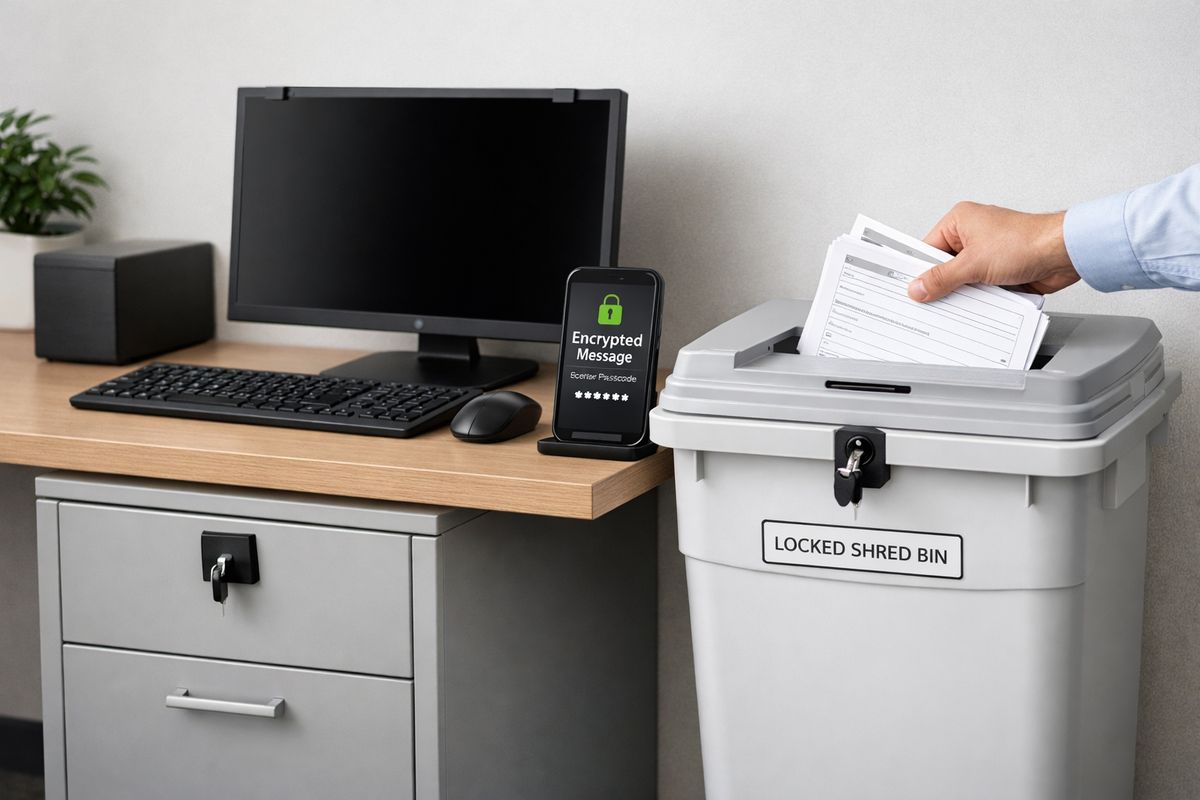
Protect confidential information in every workflow
Use secure forms. Keep intake notes organized and limited to what is needed. Be careful with email and extra careful with automated messages. Do not place sensitive facts in texts or subject lines that could be seen by the wrong person.
Privacy is part of trust. Prospects notice.
Common Legal Lead Nurturing Mistakes That Quietly Cost You Consults
Most firms are not making outrageous errors. The losses usually come from ordinary habits that never got cleaned up.
Responding fast but saying almost nothing
“Thanks, someone will contact you” is better than silence, but not by much. It does not tell the prospect when, how, or why the next step matters.
A strong first reply reduces uncertainty. A weak one just acknowledges that uncertainty exists.
Sending the same sequence to every lead
Uniform follow-up feels efficient inside the firm and irrelevant outside it. A DUI inquiry should not receive the same timing and content as a will update request.
Relevance is part of respect. Prospects can feel the difference immediately.
Treating nurturing like a one-time setup
Sequences drift out of date. Intake staff changes. Consultation offers change. Seasons shift. New lead sources appear. Old messages stop sounding right.
Review your system regularly. Tightening small screws here pays off.
Choosing Agency Support for Legal Lead Nurturing
If you are hiring outside help, do not settle for vague promises about more leads. You need somebody who can improve what happens after the lead arrives.
What to ask before hiring help
Ask how intake mapping works. Ask how your CRM, forms, call tracking, and scheduling tools will connect. Ask who writes the follow-up copy, how segmentation is handled, what reporting looks like, and how ethics review is built into the process.
If the answers stay fuzzy, the work usually will too. A strong partner should also be able to explain how to judge a marketing agency beyond pitch-deck promises.
Signs the strategy is built for law firms, not copied from another industry
Law-firm-specific support looks different. It accounts for urgency, confidentiality, consult attendance, practice-area nuance, and trust-building that goes beyond generic sales messaging.
A copied system sounds like every other service business. A legal-specific system understands that fear, timing, and privacy shape conversion.
Your first fix if your leads are going cold
Audit your first follow-up message and your response time this week. That one move catches a surprising amount. If the first reply is slow, vague, or hard to act on, fix that before touching anything else.
Frequently Asked Questions
How long should legal lead nurturing last?
For many firms, 30 days is a solid starting point. Urgent practice areas may need heavier outreach early, while estate planning or business law may justify longer, lighter follow-up. The better rule is this: keep nurturing until the prospect books, clearly declines, or stops engaging after a reasonable sequence.
What is the best first follow-up after a law firm form submission?
The best first follow-up confirms the message was received, tells the prospect exactly when to expect a response, and gives one easy next step. A vague thank-you message is not enough. Clarity is what keeps the lead warm.
Should law firms use text messages for follow-up?
Yes, especially for confirmations, reminders, and short scheduling updates. Text works well when speed matters, but it should stay brief, respectful, and permission-based. It is not the place for sensitive case details.
How quickly should a law firm respond to a new lead?
As quickly as possible, ideally within minutes for high-intent matters and the same day for most others. The first few hours carry the most momentum. Slow responses give prospects time to lose confidence or contact another firm.
What content works best in legal lead nurturing emails?
Short FAQs, consultation explainers, attorney bios, review snippets, process walkthroughs, and practice-area-specific guidance usually perform best. Useful beats impressive. A stressed prospect wants answers more than marketing polish.
Can automation handle legal lead nurturing on its own?
No. Automation is great for confirmations, reminders, and basic sequencing, but it cannot replace judgment, empathy, or a timely human conversation. The strongest systems blend both.
If your leads are going cold, start with one fix this week: tighten your first response so it is fast, specific, and easy to act on. Then, if you want help building a nurturing system that turns more inquiries into consults, schedule a call with Attorney Visibility ai for more information.